
Pietra dura is the art of inlaying cut, coloured, semi-precious stones into marble by hand, so the surface is completely smooth and the design sits in the stone rather than painted on top. It is the craft behind the flowers on the Taj Mahal, known in India as parchin kari — and the marble inlay we make to order every day in Udaipur. This guide covers what pietra dura means, how it differs from mosaic, the stones used, how a piece is made, and why it lasts for centuries.
What does pietra dura mean?
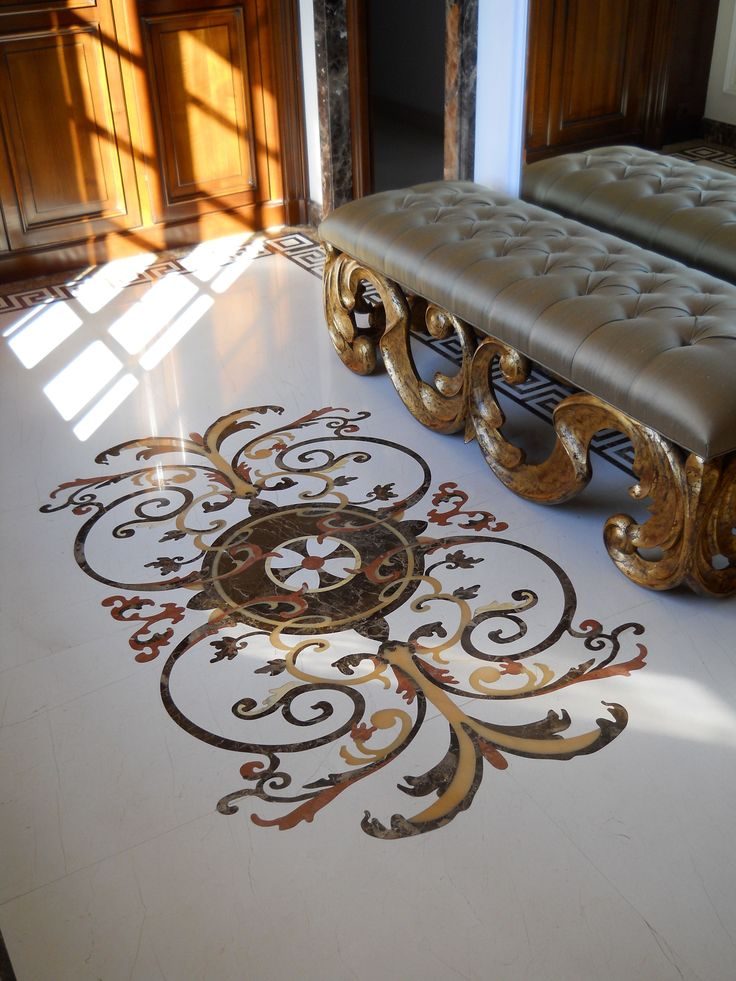
Pietra dura is an Italian term meaning “hard stone.” It describes inlaying precisely cut pieces of semi-precious stone into a marble base to form images or patterns, with the joins so fine they are almost invisible. The same craft is called parchin kari (or pacchikari) in India and is often referred to in English simply as marble inlay or stone inlay — all the same technique. It is occasionally called “Florentine mosaic,” after the Florentine workshops where the Renaissance form developed.
Pietra dura vs mosaic: what is the difference?
Pietra dura and mosaic are often confused, but they are made differently. A mosaic is built from many small, similarly sized tiles (tesserae) separated by visible grout, and the image emerges from the grid of tiles. In pietra dura, each stone is cut to the exact shape of the petal, leaf, or curve it represents and set flush into the marble — no grout, no visible joins. The result reads less like a tiled pattern and more like a painting in stone, which is why pietra dura is usually considered the finer, more painstaking craft.

What stones are used in pietra dura?
Pietra dura uses semi-precious and coloured stones chosen for their hardness and colour, set into a white or black marble base. The most common are lapis lazuli (deep blue), malachite (green), carnelian (orange-red), jasper, agate, and mother-of-pearl, along with turquoise and coral. The marble base is usually white Makrana — the same marble used in the Taj Mahal — or black marble for dramatic contrast. Because the colour comes from natural stone, no two pieces are identical and the colour never fades.
How is pietra dura made? The technique, step by step
The pietra dura technique has barely changed in four hundred years:
- The design is drawn to full scale and transferred onto the marble.
- The outline is traced and chiselled out to form shallow grooves.
- Each stone is cut and ground by hand to fit its groove exactly.
- The stones are set in place, then the whole surface is polished until it is perfectly level and shines like glass.
A single panel can take days or weeks depending on the detail, which is why fine pietra dura is so highly valued.

Pietra dura, parchin kari and the Taj Mahal
Pietra dura developed in late-16th-century Florence and reached Mughal India in the 17th century, where it was reinterpreted as parchin kari. Its most famous expression anywhere in the world is the Taj Mahal at Agra, whose white marble is inlaid with floral and geometric patterns in semi-precious stone. The craft still thrives in India today, carried on by artisan families — including our own workshop in Udaipur, in the marble heartland of Rajasthan.
Why pietra dura lasts for centuries
Because the colour comes from natural stone set into marble and sealed flush, a pietra dura surface is hard-wearing and does not fade, peel, or date like paint or print. That is why pietra dura from the 17th century still looks vivid today. Care is simple: wipe with a soft, damp cloth and avoid acidic cleaners, and a piece will outlast almost anything else in the room.
Pietra dura table tops, panels and floors for your home
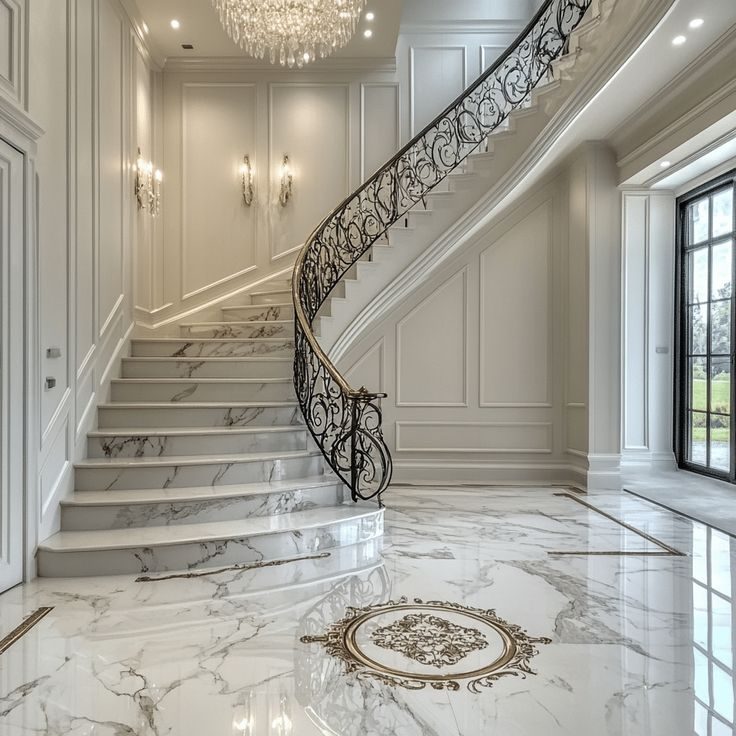
The same craft is made to order for modern interiors: pietra dura table tops, marble wall panels, inlaid medallion floors, brass inlay, and door handles. You choose the design, the stones, and the size, and the piece is handmade in Udaipur and delivered to your door. To go further, read our guide to marble inlay flooring or see what marble inlay costs, then tell us your idea.
Frequently asked questions
Is pietra dura the same as marble inlay?
Yes. ‘Pietra dura’, ‘marble inlay’, and ‘stone inlay’ all describe the same craft — semi-precious stones cut to shape and inlaid flush into marble. ‘Parchin kari’ (or ‘pacchikari’) is the Indian name for it.
Is pietra dura a mosaic?
No, though they are related. Mosaic uses many small, uniform tiles with visible grout; pietra dura uses larger stones cut to shape and fitted flush with no grout, so it looks like a painting in stone.
What stones are used in pietra dura?
Semi-precious stones such as lapis lazuli, malachite, carnelian, jasper, agate, and mother-of-pearl, set into white Makrana or black marble.
Where can I see pietra dura?
The most famous example is the Taj Mahal at Agra. The craft is still practised by artisan families in Rajasthan, including our workshop in Udaipur.
Can I buy a custom pietra dura piece?
Yes. We make pietra dura table tops, wall panels, flooring, and bespoke pieces to order — your design, stones, and size, planned to scale before any cutting begins.
Related guides
Bring your idea to life.
Tell us your space, design, and size. We will plan it with you and make it by hand.
Enquire now